Jamuna - Powerpoint Template: Design Slides That Actually Work
You know that feeling when you open a presentation template and it just clicks? Everything lines up, the colors make sense, and you can already picture your own content filling those beautifully crafted frames. That's the experience waiting for you with Jamuna - Powerpoint Template — a design toolkit built for people who need to present ideas with clarity, polish, and visual punch without spending hours wrestling with alignment guides and color palettes.
Let's be honest. Most of us aren't full-time designers. We're business owners pitching to investors, marketers building campaign decks, freelancers showing portfolios to potential clients, or educators explaining complex topics. We need presentations that look professional without requiring a design degree. Jamuna bridges that gap between "I threw this together in ten minutes" and "I hired a professional agency" — and it does so with a surprisingly generous set of features that go far beyond basic slide layouts.
What Makes This Template Stand Out in a Crowded Market
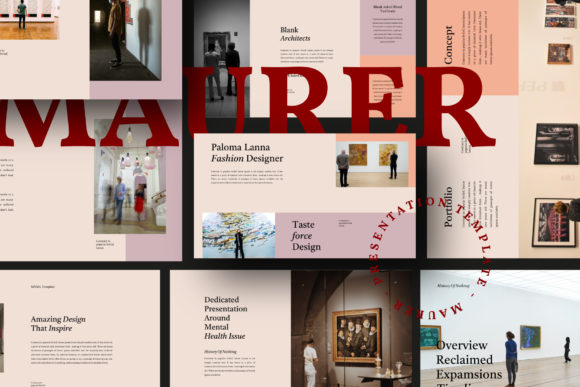
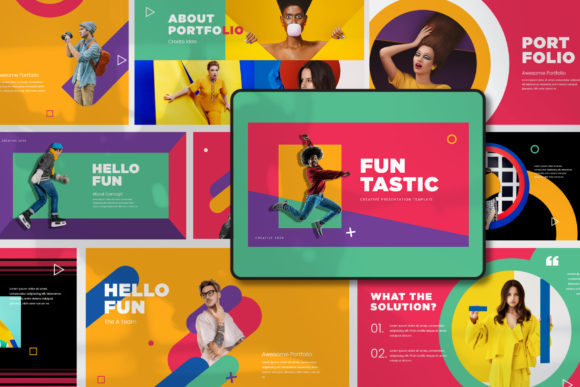
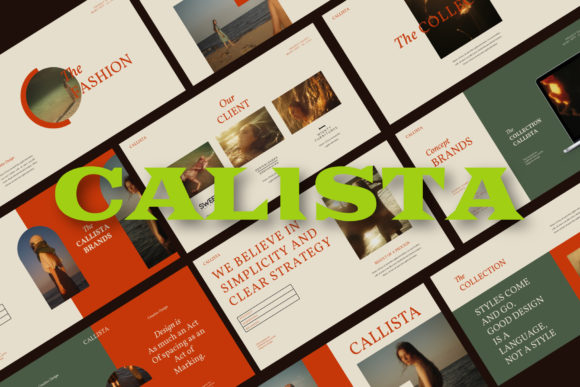
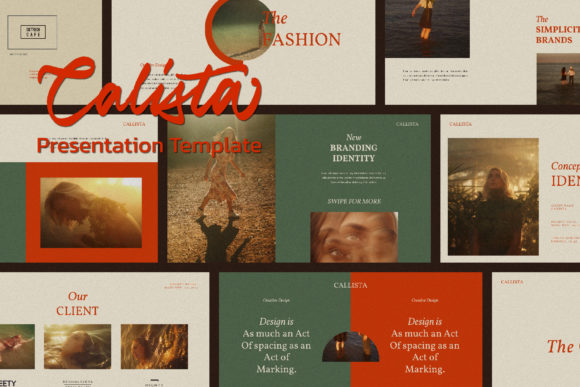
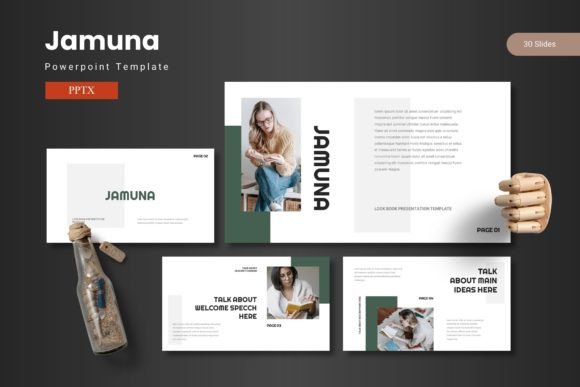
The presentation template space is saturated. You've probably downloaded free templates that looked promising in the preview but fell apart the moment you tried to customize them. Maybe the colors were locked, the fonts were obscure, or the layouts simply didn't accommodate real-world content. Jamuna takes a different approach by offering 150+ total slides spread across 5 premade color schemes, with 30 slides dedicated to each color variation.
That structure matters more than you might think. Having five complete color schemes means you can match presentations to different brand identities, seasonal campaigns, or audience preferences without manually re-coloring every element. Whether your brand leans toward warm earth tones, cool professional blues, or bold vibrant hues, there's likely a variation that fits naturally. And because each scheme includes a full 30-slide set, you're not just getting a palette swap — you're getting a thoughtfully designed collection where every element has been considered within that specific color context.
The pixel-perfect illustrations deserve special mention. Generic clip art can cheapen an otherwise solid presentation. Jamuna's handcrafted infographics and graphic elements feel intentional, cohesive, and modern. They're also fully resizable and editable, which means you can scale them up for a full-slide visual impact or tuck them into corner positions as supporting elements without losing quality.
Real-World Applications Beyond the Boardroom
Think about how many visual communication moments happen in your professional life. A startup founder might use Jamuna to build a pitch deck for venture capitalists on Monday, then repurpose those same design assets into a social media content calendar presentation on Wednesday. A small business owner could create a product launch overview for their team, then adapt those slides into a visual brand guidelines document for a new packaging designer.
The template's section break slides are particularly useful for longer presentations. Instead of awkwardly jumping from one topic to the next, you get clean visual pauses that signal a shift in content. This is invaluable for workshops, webinars, educational content, and multi-topic business reviews where your audience needs mental breathing room between sections.
Content creators and bloggers will find practical value too. Imagine pulling individual slides as standalone graphics for Instagram carousels, using the gallery and portfolio slides to showcase client work, or building a visual media kit that you can share with brand partners. The picture placeholder drag-and-drop feature simplifies this workflow dramatically — drop your images in, and the template handles the framing, sizing, and positioning automatically.
Building Brand Recognition Through Visual Consistency
One of the most overlooked aspects of brand building is presentation design. Your logo, website, and social media templates might be dialed in, but if your internal decks, client proposals, and webinar slides look like they came from different companies, you're creating visual noise that undermines trust. Consistency across every touchpoint — including presentations — reinforces professionalism and makes your brand more memorable.
Jamuna's master slide architecture supports this beautifully. When you build on master slides, changes made to the template foundation cascade throughout the entire presentation. Update a font, adjust a color, or modify a layout element at the master level, and every slide that references it updates automatically. For teams where multiple people might be editing presentations, this feature alone prevents the visual drift that happens when individuals make ad-hoc changes without understanding the design system.
Consider how this applies to marketing assets. A digital marketing agency could establish a Jamuna-based template as their standard client reporting format. Every monthly report would carry the same visual language — same color scheme, same typography hierarchy, same infographic style — regardless of which team member assembled it. Clients notice that kind of consistency, even if they can't articulate why it feels more trustworthy.
Practical Tips for Getting the Most From Your Template
Before diving in, take ten minutes to review the included Readme file. It contains font and photo information that will save you headaches later. Make sure you have access to the specified fonts before you start customizing. If a particular font isn't available for your licensing needs, identifying that early gives you time to find suitable alternatives rather than discovering the issue five minutes before a deadline.
Start with the color scheme that's closest to your existing brand identity, then customize from there. Resist the urge to overhaul the template's color system entirely on your first pass. The designers who built Jamuna made deliberate choices about contrast, hierarchy, and visual weight. Work with those decisions first, then adjust specific elements as needed once you understand how the palette functions across different slide types.
When it comes to font pairing, pay attention to how the template pairs typefaces for headings versus body text. Good templates establish a typographic hierarchy that guides the viewer's eye naturally from title to subtitle to supporting content. If you need to substitute fonts, look for alternatives that maintain similar proportions, weight contrast, and personality. A bold, modern sans serif heading paired with a clean, readable body font will generally serve you better than trying to force two decorative fonts to coexist.
Don't overlook the gallery and portfolio slides for non-obvious applications. Product-based businesses can use these layouts for product photography showcases. Service providers can display case study visuals. Event planners can build mood boards for client presentations. The layout structures are flexible enough to accommodate visual content far beyond traditional portfolio use.
Considerations for Commercial and Professional Use
If you're using Jamuna for client work, commercial presentations, or any project that generates revenue, verify the licensing terms included with your purchase. Most premium template licenses cover standard commercial use, but understanding the specifics — particularly around distribution, resale, and modification rights — protects both you and your clients. Keep the licensing documentation alongside your project files for easy reference.
For teams, consider establishing a simple style guide that documents which Jamuna color scheme you've adopted, any customizations you've made to the master slides, and guidelines for which slide types to use for specific content categories. This turns a template into a system, which is where the real value multiplies. A presentation system scales. A one-off template doesn't.
Finally, remember that the best presentation is one where the audience remembers your ideas, not your animations or transitions. Jamuna's strength lies in clean, well-structured visual communication — the kind that supports your message without competing with it. Use the layouts as a foundation for clarity, and let your content do the heavy lifting.